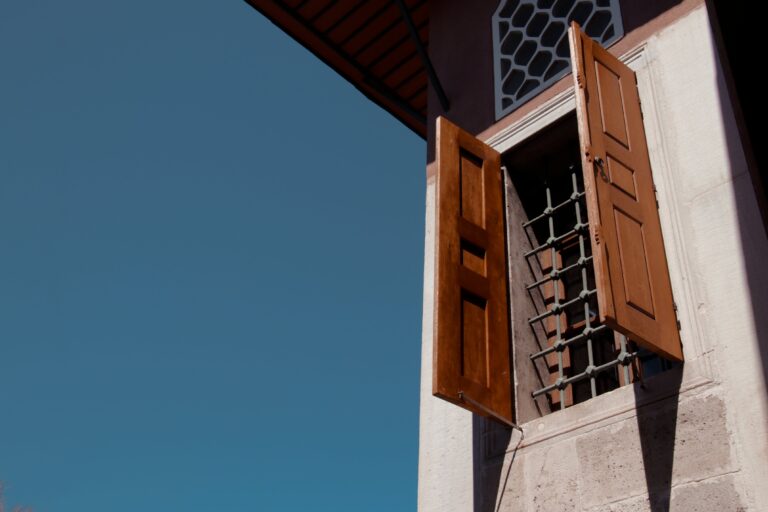
Tag: shutters

  • Shutters for Every Architectural Style: Finding the Right Fit

    Shutters for Every Architectural Style: Finding the Right Fit

    Introduction

    Shutters not only serve a functional purpose but also add style and curb appeal to a building. There are various types of shutters on the market, each catering to different architectural styles. In this post, we will explore the different types of shutters suitable for different architectural styles and provide tips on choosing the right shutters for your building.

    Finding the Right Fit for Your Architectural Style

    To select the perfect shutters for your building, start by researching and understanding the design elements and characteristics of your building’s architectural style. For example, modern buildings typically feature large windows and clean lines, which pair well with vertical louvres. Traditional buildings, on the other hand, typically have more intricate details, which mesh well with bifold shutters.

    Once you have an understanding of your building’s architectural style, it’s time to consider budget, functionality, and long-term maintenance. Consult with professionals and seek expert advice to find shutters that maximize functionality and provide a return on investment.

    Understanding Vertical Louvres

    Vertical louvres are a popular choice for contemporary and modern architectural styles, characterized by sleek, clean-lined structures and minimalism. These shutters are long, narrow slats that open and close like doors, providing control over privacy and sunlight.

    When choosing vertical louvres, it’s essential to consider the materials, colors, and finishes. Louvres made of composite materials are popular and offer high durability, unlike natural wood which may warp or rot over time. Colors and finishes include a range of black, white, or natural wood. They can be stained, painted, or left untreated, depending on the desired look.

    Exploring Bifold Shutters

    Bifold shutters are a versatile option suitable for various architectural styles. They are notable for their ability to fold neatly to the side, giving unobstructed views of the outdoors. Bifold shutters come in a range of configurations, including bi-fold, tri-fold, and quad-fold.

    Bifold shutters are ideal for traditional and coastal architectural styles, defined by a classic and timeless aesthetic. They provide flexibility in controlling light, ventilation, and privacy. When selecting bifold shutters, consider materials that are durable and resistant to weathering, such as aluminum or vinyl. Hardware is important to get the right balance between function and style. Brass or chrome hinges work well in traditional spaces, and stainless steel is ideal for coastal designs.

    Outdoor Solar Blinds for Functionality and Style

    Outdoor solar blinds are an excellent choice for buildings with a focus on sustainability and eco-friendliness. They are made of fabrics that are eco-friendly and provide energy-efficient benefits, such as UV protection, heat reflection, and glare reduction.

    These blinds come in a range of colors, patterns, and materials to choose from. Fabrics range from PVC and mesh to acrylic and polyester. PVC and mesh are ideal for sun protection and adding privacy, while acrylic and polyester are better for outdoor spaces that require waterproofing.

    Taking Action: Steps to Find the Perfect Shutters

    There are three key steps to finding the perfect shutters:

    1. Research and gather inspiration: Look for inspiration online, in design magazines, or check out similar buildings for shutter inspiration.
    2. Consult with professionals and seek expert advice: An experienced professional can help you identify the best solutions and make the most of your budget.
    3. Consider budget, functionality, and long-term maintenance: Keep in mind the practicalities of shutter ownership, including maintenance and repair costs.
    4. Consider the style and materials: Shutter styles range from traditional to contemporary, and materials include wood, vinyl, and aluminum.
    5. Consider the size and shape of your windows: The size and shape of your windows will determine how many shutters you need, as well as their dimensions.
    6. Consider your home’s architecture: Shutter styles should complement your home’s architectural style.

    Maintenance and Care for Longevity

    Regular maintenance and care are essential to ensure the longevity and optimal performance of shutters. Regular cleaning, inspection, and lubrication of hinges and other moving parts are necessary to keep them functioning correctly.

    For composite shutter maintenance, washing with warm soapy water and a soft-bristled brush, followed by a rinse with clean water, should suffice. Regular inspection for rot, cracks, and broken louvers are important consideration.

    For bifold shutters, ensure that hinges are properly oiled to prevent rust and avoid over-tightening of screws, which may strip the hinge holes. Regular inspection of the tracks and guides for debris and obstruction should also be carried out.

    For outdoor solar blinds, a regular cleaning with warm soapy water and a soft-bristle brush, followed by a rinse with clean water should suffice. Ensure that blinds are rolled up tightly and stored when not in use, especially in high wind and stormy conditions.

    Photo by Jonathan Borba

    Conclusion

    There is a vast range of shutters suitable for different architectural styles. When choosing shutters, it’s important to consider the architectural style of the building, budget, functionality, and long-term maintenance requirements. With the right shutters, your building’s aesthetic appeal and functionality can be enhanced significantly. Be sure to consult professionals, gather inspiration, and take the necessary maintenance and care to ensure the longevity and optimal performance of shutters.

  • Shutters for Every Architectural Style: Finding the Right Fit

    Shutters for Every Architectural Style: Finding the Right Fit

    Introduction

    When it comes to enhancing the aesthetic appeal of buildings, shutters play a significant role. With their versatility in design and functionality, shutters have become a popular choice for architects and property owners alike. In this article, we will explore the world of shutters, focusing on vertical louvres, to help you find the perfect fit for any architectural style.

    Understanding Shutters and Their Types

    Shutters, in their essence, are window coverings that are mounted on the exterior of buildings. They not only serve as functional elements, providing privacy and protection from sunlight but also add character and charm to the overall design.

    When it comes to enhancing the aesthetic appeal and functionality of your home, shutters are a versatile and popular option. They not only provide privacy and light control but also add a touch of elegance to any architectural style. In this blog post, we will explore different types of shutters that complement various architectural styles.

    Understanding Vertical Louvres

    Vertical louvres are a type of window covering consisting of vertical slats or panels that can be adjusted to control light, privacy, and airflow. They are a popular choice for both residential and commercial spaces due to their versatility and practicality. In this section, we will explore the features and benefits of vertical louvres and how they can enhance your living or working environment.

    Light Control:

    Vertical louvres allow precise control over the amount of natural light entering a room. The vertical slats can be adjusted to various angles, allowing you to direct sunlight away from direct glare or into the room while still diffusing it. This versatility enables you to create a comfortable and well-lit space for different activities throughout the day.

    Privacy:

    Vertical louvres provide excellent privacy control. By tilting the slats, you can easily block the view from outside while still allowing air and light to pass through. This is especially beneficial for spaces where privacy is essential, such as bedrooms, bathrooms, or office conference rooms.

    Ventilation:

    Vertical louvres allow for superior airflow and ventilation. By adjusting the slats, you can take advantage of natural air circulation while maintaining privacy and controlling the amount of light entering the room. This is particularly useful during hot summer months when you want to keep your space cool and well-ventilated.

    Energy Efficiency:

    Vertical louvres can contribute to energy efficiency by reducing heat gain or loss. When the slats are closed, they can effectively block out heat from the sun during hot days, reducing the need for excessive air conditioning. Conversely, during colder months, the slats can be opened to allow sunlight to warm the room naturally.

    Noise Reduction:

    Vertical louvres can also provide a certain level of noise reduction. The materials and design of the louvres can help to absorb and reduce external noises, creating a quieter and more peaceful indoor environment.

    Design and Aesthetic Appeal:

    Vertical louvres come in a range of materials, finishes, and styles to suit various design preferences. From sleek and modern to classic and traditional, there are options to complement any interior or architectural style. Vertical louvres can add a touch of elegance and sophistication to your space while providing practical and functional benefits.

    Easy Maintenance:

    Vertical louvres are relatively easy to maintain. Regular dusting or wiping down the slats with a damp cloth is usually sufficient to keep them clean and free from debris. Some models also come with detachable slats for more thorough cleaning.

    Exploring Bifold Shutters

    Bifold shutters are a versatile and stylish option for both interior and exterior applications. These shutters are designed to fold and stack on either side of an opening, providing a unique and functional way to control light, airflow, and privacy. In this section, we will explore the benefits and uses of bifold shutters.

    Space-saving Design:

    One of the major advantages of bifold shutters is their space-saving design. Instead of swinging open like traditional hinged shutters, bifold shutters fold and stack neatly to the side, allowing you to maximize the use of your space. This is particularly beneficial for rooms with limited space or for creating a seamless transition between indoor and outdoor areas.

    Versatile Applications:

    Bifold shutters can be used in a variety of applications, both indoors and outdoors. For interior use, they can be installed as window coverings, room dividers, or closet doors. In outdoor spaces, bifold shutters can be used as patio enclosures, balcony screens, or even as garage doors. The versatility of bifold shutters makes them a practical option for any architectural style.

    Light and Ventilation Control:

    Bifold shutters provide excellent control over light and ventilation. By adjusting the louvers, you can easily regulate the amount of light entering a room or control the airflow. This gives you the flexibility to create the desired ambiance and maintain privacy without completely obstructing the view or blocking fresh air.

    Privacy and Security:

    Bifold shutters offer enhanced privacy and security. When fully closed, they provide a solid barrier, preventing prying eyes from seeing into your space. This is especially beneficial for ground-floor windows or rooms facing a busy street. Bifold shutters can also act as an additional layer of security, adding an extra level of protection to your home or business.

    Aesthetic Appeal:

    Bifold shutters add a touch of elegance and style to any space. They come in a variety of materials, finishes, and designs, allowing you to choose an option that complements your architectural style and personal taste. Whether you prefer a traditional or contemporary look, bifold shutters can enhance the overall aesthetic appeal of your space.

    Easy Operation and Maintenance:

    Bifold shutters are designed for easy operation and maintenance. Most models come with a track system that ensures smooth and effortless folding and stacking. They are also relatively low maintenance, requiring periodic cleaning to remove dust or debris.

    Outdoor Solar Blinds: The Perfect Fusion

    When it comes to outdoor spaces, finding the perfect balance between style and functionality is essential. Outdoor solar blinds offer a seamless fusion of these two key factors, making them a popular choice for homeowners looking to enhance their outdoor areas. In this section, we will explore the benefits and versatility of outdoor solar blinds and how they can complement different architectural styles.

    Energy Efficiency:

    One of the primary benefits of outdoor solar blinds is their energy efficiency. These blinds are designed to block out a significant amount of the sun’s heat and harmful UV rays, keeping your outdoor space cooler and more comfortable. By reducing heat buildup, outdoor solar blinds can also help lower your energy consumption and air conditioning costs.

    UV Protection:

    Outdoor solar blinds are specifically designed to provide excellent UV protection. They block a significant percentage of harmful UV rays, helping to protect you and your outdoor furniture from fading, discoloration, and sun damage. This feature is particularly beneficial for those who spend a lot of time outdoors or have delicate furnishings that can be easily damaged by the sun’s rays.

    Weather Resistance:

    Outdoor solar blinds are made from durable materials that are designed to withstand various weather conditions. They are typically constructed with weather-resistant fabrics that can resist mold, mildew, and fading. This makes them an excellent choice for areas that are exposed to the elements, such as patios, decks, or balconies.

    Versatile Design Options:

    Outdoor solar blinds are available in a wide range of colors, designs, and styles, allowing you to find the perfect fit for your architectural style. Whether you have a modern, contemporary, or traditional home, you can find outdoor solar blinds that seamlessly blend in with the overall aesthetic. From neutral tones to bold patterns, there are endless possibilities to suit your taste.

    Privacy and Light Control:

    Outdoor solar blinds offer privacy without compromising natural light. These blinds allow you to enjoy the beautiful outdoor views while maintaining a sense of seclusion from neighbors or passersby. By adjusting the blinds, you can control the amount of light entering your outdoor space, creating an ambiance that suits your preference at any time of the day.

    Easy Maintenance:

    Outdoor solar blinds are designed for easy maintenance. They are typically resistant to stains and can be cleaned easily with a damp cloth or gentle hose down. This makes them a practical choice for homeowners who want to spend more time enjoying their outdoor space and less time on upkeep.

    Factors to Consider When Choosing Shutters for Your Building

    1. Architectural Style: The architectural style of your building plays a crucial role in selecting the right shutters. Whether it’s a Victorian-era mansion or a modern minimalist home, the shutters should complement the overall design. Vertical louvres can be adapted to various styles, from ornate and decorative to sleek and minimalist.
    2. Building Location and Environmental Factors: Take into account the climate and environmental factors of your building’s location. For areas prone to high winds or hurricanes, sturdy materials like aluminum are recommended. If you live near the coast, consider shutters that are resistant to humidity and saltwater corrosion.
    3. Personal Preferences and Intended Use: Consider your personal preferences and the purpose for which you want the shutters. If privacy is a priority, choose shutters with tighter louvres. For those who value aesthetics, opt for shutters that can be painted or stained to match the color scheme of your building.

    Common Architectural Styles and Their Ideal Shutters

    1. Victorian Style: Victorian architecture is known for its ornate and decorative features. For this style, shutters with intricate details and decorative elements, such as raised panels and arched tops, are ideal. Vertical louvres with curved or scalloped tops can enhance the charm of Victorian buildings.
    2. Mediterranean Style: Mediterranean architecture embraces warmth, color, and natural materials. Shutters made from wood or wrought iron, with simple vertical louvres, can beautifully complement the earthy tones and textures of Mediterranean-style buildings. Consider vibrant colors like terracotta or azure blue to add a touch of authenticity.
    3. Colonial Style: Colonial architecture is characterized by symmetry and simplicity. Shutters with clean lines and evenly spaced vertical louvres are perfect for this style. Opt for materials like vinyl or composite for their durability and low maintenance. White or off-white shutters can create a classic and timeless look.
    4. Contemporary Style: Contemporary architecture is all about simplicity and minimalism. Vertical louvres made from sleek materials like aluminum or composite, with narrow and even slats, can enhance the clean lines and geometric shapes of contemporary buildings. Consider neutral colors or sleek metallic finishes for a modern look.

    Maintenance and Care of Shutters

    To ensure the longevity of your shutters, regular maintenance and care are essential. Here are some tips:

    1. Cleaning: Clean your shutters regularly using a mild detergent and a soft cloth or sponge. Avoid abrasive cleaners or tools that may damage the finish.
    2. Inspections: Periodically inspect your shutters for any signs of damage, such as cracks, warping, or loose components. Replace or repair any damaged parts promptly to prevent further deterioration.
    3. Repainting or Staining: If your shutters are paintable or stainable, consider refreshing the finish every few years to maintain their appearance and protect them from the elements.

    Conclusion

    In conclusion, shutters can significantly enhance the architectural style of any building. By understanding the different types of shutters and considering factors such as architectural style, location, and personal preferences, you can find the perfect fit for your building. Vertical louvres, with their versatility and timeless elegance, are an excellent choice for achieving a cohesive and visually pleasing look. So, whether you’re aiming for a Victorian charm, a Mediterranean vibe, a colonial elegance, or a contemporary flair, there are shutters out there to match your architectural style and elevate the overall aesthetic appeal of your building. Take the time to explore the countless possibilities, and let your shutters truly become a reflection of your unique taste and style.