Tag: Decorations

  • Sitting Pretty: Luxurious Sofa Designs That Will Transform Your Space

    Sitting Pretty: Luxurious Sofa Designs That Will Transform Your Space

    Introduction

    When it comes to transforming the ambiance of a living space, the choice of sofa plays a pivotal role. A luxurious sofa not only enhances the aesthetics of a room but also provides comfort and style. From classic elegance to modern chic, there is a wide range of sofa designs available that can cater to various preferences and interior styles.

    Classic Elegance

    Classic elegance in sofa design exudes sophistication and timeless charm. These sofas are characterized by their refined lines, intricate details, and luxurious fabrics that add a touch of regality to any room. Embodying a sense of tradition and grandeur, classic elegance sofas are perfect for those who appreciate traditional design aesthetics combined with a touch of opulence.

    • Chesterfield Sofa: Featuring deep button tufting and rolled arms, the Chesterfield sofa is a quintessential classic piece that exudes elegance and luxury.
    • Camelback Sofa: Known for its graceful arched backrest, the Camelback sofa exudes sophistication and refinement.
    • Chippendale Sofa: With its ornately carved wood details and claw-and-ball feet, the Chippendale sofa is a timeless piece that adds a touch of classical elegance.
    • Lawson Sofa: Characterized by its low back and plush cushions, the Lawson sofa combines comfort with classic design elements.
    • Victorian Sofa: Ornate carved wood frames, elaborate upholstery, and intricate detailing define the Victorian sofa, making it a statement piece in any traditional setting.

    Modern Chic

    Modern chic sofa designs showcase sleek lines, minimalist silhouettes, and contemporary materials that exude a sense of sophistication and style. These sofas are perfect for those who prefer a more modern aesthetic with a touch of luxury. Combining comfort with cutting-edge design, modern chic sofas bring a fresh and contemporary vibe to any living space.

    • Mid-Century Modern Sofa: Inspired by the design aesthetics of the mid-20th century, the Mid-Century Modern sofa features clean lines, tapered legs, and geometric shapes that epitomize modern chic.
    • Track Arm Sofa: With its squared-off arms and streamlined silhouette, the Track Arm sofa exudes a modern and minimalist vibe.
    • Sectional Sofa: Offering versatility and contemporary style, the Sectional sofa is a popular choice for modern living spaces.
    • Tufted Sofa: The Tufted sofa adds a touch of elegance to modern interiors with its button-tufted upholstery and clean lines.
    • Modular Sofa: Perfect for small spaces, the Modular sofa is versatile and customizable, allowing for different configurations to suit individual preferences.

    Opulent Comfort

    Opulent comfort sofas prioritize luxurious materials, plush cushions, and deep seating to create a sense of indulgent relaxation. These sofas are designed to provide a refuge of comfort and sophistication, inviting you to sink into their soft embrace and unwind in style.

    • Down-Filled Sofa: Filled with plush down feathers, the Down-Filled sofa offers a cloud-like seating experience that exudes luxury.
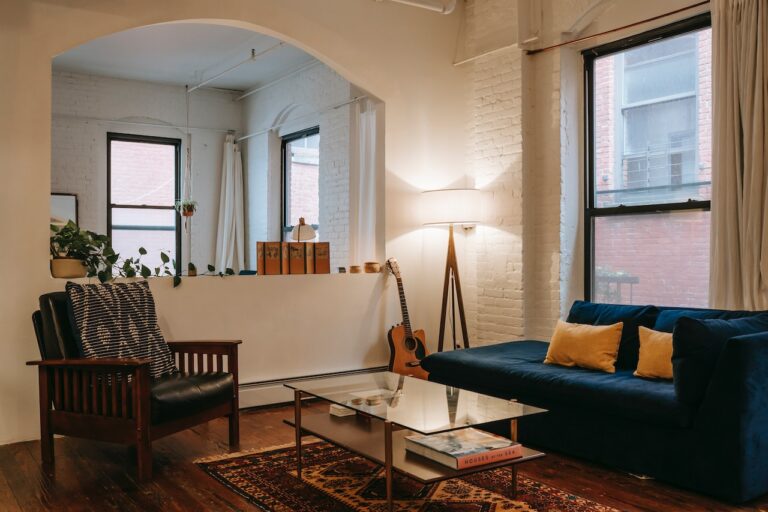
    • Velvet Sofa: Luxuriously soft and sumptuous, the Velvet sofa adds a touch of opulence to any living space.
    • Chaise Lounge Sofa: Combining comfort with elegance, the Chaise Lounge sofa provides a luxurious seating option for relaxation and lounging.
    • Leather Recliner Sofa: Featuring high-quality leather upholstery and reclining mechanisms, the Leather Recliner sofa offers premium comfort and style.
    • Deep Seated Sofa: Designed for ultimate relaxation, the Deep Seated sofa features oversized cushions and extra-deep seating for a cozy and luxurious feel.

    Statement Pieces

    Statement-piece luxury sofas are designed to be focal points in a room, showcasing bold colors, unique shapes, and exquisite craftsmanship. These sofas make a striking impression and serve as conversation starters, elevating the overall design scheme of any living space.

    Luxury sofas are not just pieces of furniture; they are works of art that embody craftsmanship, creativity, and style. In a world where mass-produced items dominate the market, investing in a luxury sofa allows you to own a unique and exclusive piece that reflects your individuality and taste.

    • Tuxedo Sofa: With its clean lines and boxy silhouette, the Tuxedo sofa exudes modern elegance and sophistication.
    • Baroque-Inspired Sofa: Featuring ornate carvings, golden accents, and rich upholstery, the Baroque-inspired sofa is a lavish statement piece that adds a touch of grandeur to any room.
    • Contemporary Sculptural Sofa: Bold shapes, asymmetrical design, and artistic flair define the Contemporary Sculptural sofa, making it a captivating statement piece.
    • Art Deco Sofa: Influenced by the design aesthetics of the 1920s and 1930s, the Art Deco sofa features geometric patterns, luxurious materials, and a glamorous vibe that exudes sophistication.
    • Eclectic Mix-and-Match Sofa: Combining different styles, colors, and textures, the Eclectic Mix-and-Match sofa is a bold statement piece that showcases an eclectic and personalized design approach.

    Customization and Personalization

    Luxury sofas offer the opportunity for customization and personalization, allowing you to tailor the design, size, fabrics, and finishes to suit your individual preferences and requirements. From choosing the upholstery to selecting the leg style, customization options empower you to create a sofa that perfectly complements your unique style and enhances the overall design of your space.

    • Bespoke Sofa: Crafted to your exact specifications, a Bespoke sofa is a tailor-made piece that reflects your style and preferences.
    • Customizable Modular Sofa: With interchangeable modules and components, a Customizable Modular sofa allows you to create different configurations to suit your changing needs.
    • Personalized Upholstered Sofa: Choosing from a wide range of upholstery materials, colors, and patterns, a Personalized Upholstered sofa enables you to add a personal touch to your sofa design.
    • Mix-and-Match Arm Styles: Selecting different arm styles for your sofa, such as track arms, rolled arms, or tuxedo arms, allows you to customize the look and feel of your sofa.
    • Adjustable Backrest Sofa: Featuring an adjustable backrest mechanism, an Adjustable Backrest sofa provides personalized comfort and support for lounging and relaxation.

    Function and Versatility

    Luxury sofas not only offer style and comfort but also functionality and versatility. From sleeper sofas that double as guest beds to reclining sofas for ultimate relaxation, these multifunctional designs cater to various needs and lifestyle preferences. Embracing both form and function, luxury sofas enhance the usability and practicality of your living space.

    • Sleeper Sofa: Ideal for overnight guests, a Sleeper sofa transforms into a comfortable bed, offering a convenient sleeping solution without compromising on style.
    • Reclining Sectional Sofa: Providing customizable reclining options, a Reclining Sectional sofa allows you to relax and unwind in multiple positions for optimal comfort.
    • Convertible Sofa: With adjustable backrests and armrests, a Convertible sofa offers versatile seating options that can be easily transformed to suit different needs.
    • Storage Ottoman Sofa: Featuring built-in storage compartments, a Storage Ottoman sofa provides additional functionality by offering hidden storage space for blankets, pillows, and other items.
    • Adjustable Headrest Sofa: Offering adjustable headrests for personalized neck and head support, an Adjustable Headrest sofa ensures optimal comfort and relaxation while lounging or watching TV.

    Sustainability and Quality

    In a world where environmental consciousness and quality craftsmanship are highly valued, sustainability and quality play a crucial role in luxury sofa design. Sustainable materials, ethical production practices, and durable construction ensure that luxury sofas not only contribute to a healthier planet but also provide lasting comfort and enjoyment for years to come. Investing in a sustainably sourced and high-quality luxury sofa is not just a choice for today but a commitment to the future.

    • FSC-Certified Wood Frame Sofa: Constructed with FSC-certified wood frames that adhere to sustainable forestry practices, an FSC-Certified Wood Frame sofa promotes responsible sourcing and environmental stewardship.
    • Eco-Friendly Fabric Sofa: Made from recycled or organic materials, an Eco-Friendly Fabric sofa reduces environmental impact and supports sustainable textile production.
    • Cradle-to-Cradle Certified Sofa: Endorsed by the Cradle-to-Cradle certification, a Cradle-to-Cradle Certified sofa is manufactured with recyclable and safe materials that can be reused or recycled at the end of its lifecycle.
    • Zero-VOC Upholstered Sofa: Featuring upholstery with zero volatile organic compounds (VOCs), a Zero-VOC Upholstered sofa minimizes indoor air pollution and supports healthier indoor environments.
    • Handcrafted Luxury Sofa: Handcrafted by skilled artisans using traditional techniques and high-quality materials, a Handcrafted Luxury sofa ensures superior craftsmanship, durability, and timeless beauty.

    Photo by Ansar Muhammad

    Conclusion

    Luxurious sofa designs have the power to transform your living space into a haven of comfort, style, and sophistication. Whether you prefer classic elegance, modern chic, opulent comfort, statement pieces, customization, versatility, sustainability, or quality, there is a luxurious sofa design that can cater to your preferences and elevate the ambiance of your home. By carefully selecting a luxury sofa that resonates with your style and values, you can create a living space that not only looks exquisite but also reflects your individuality and enhances your everyday living experience. Choose a luxurious sofa that speaks to your soul and watch as it transforms your space into a sanctuary of beauty and comfort, where style meets substance and luxury meets lifestyle.

  • Innovative Ideas for Age-Appropriate Furniture in a Pre-School Setting

    Innovative Ideas for Age-Appropriate Furniture in a Pre-School Setting

    Introduction

    Decorating a daycare or preschool environment requires careful consideration of both functionality and aesthetics. While safety and durability are top priorities, creating a colorful and inspiring space that is attractive and welcoming to young children is also important. Choosing age-appropriate furniture that meets the unique developmental needs of children is essential in creating the right environment. In this blog, we’ll explore some innovative ideas and suggestions for age-appropriate furniture in a preschool setting, with a focus on daycare interiors.

    Furniture Designed For School Children

    When selecting furniture for school children, prioritize comfort, durability, flexibility, and safety. Involve students and educators in the decision-making process to ensure the furniture meets their specific needs. Creating an environment that supports learning, collaboration, and creativity through well-designed and child-friendly furniture contributes to a positive and engaging educational experience.

    Design Considerations for Daycare Interiors

    When designing daycare interiors, several key considerations should be kept in mind to ensure a safe, functional, and inviting space for young children. Here are some important design considerations for daycare interiors:

    1. Safety: The safety of children is of utmost importance in a daycare setting. Choose furniture with rounded edges to prevent injury and opt for non-toxic, child-safe materials. Ensure furniture is stable and securely anchored to the floor or wall to prevent tipping. Install safety gates or barriers where needed, and ensure all electrical outlets are covered.
    2. Functionality: Daycare interiors should support the various activities and routines that take place throughout the day. Consider the different functional areas needed, such as play areas, nap areas, eating areas, and storage areas. Arrange furniture in a way that allows for easy movement and supervision, and provides ample space for children to play, explore, and engage in activities.
    3. Age-Appropriate Furniture: Choose furniture that is suitable for the age group of the children in your daycare. Consider the size, height, and weight capacity of furniture to ensure it is appropriate for young children. For example, use low-height tables and chairs that are easy for children to access and sit comfortably. Avoid furniture with small parts or loose components that may pose a choking hazard.
    4. Color and Visual Appeal: Use colors and visual elements that are engaging and stimulating for young children. Bright, vibrant colors can create a joyful and playful atmosphere. Incorporate age-appropriate artwork, murals, and educational posters to promote learning and creativity. Ensure that the overall color scheme and visuals are cohesive and create a visually pleasing environment.
    5. Storage and Organization: Adequate storage is key to keeping the daycare environment neat and organized. Incorporate child-friendly storage solutions such as low-height shelves, cubbies, and bins. Use labels or pictures to help children easily identify storage areas for their belongings. Encourage children to participate in keeping the space tidy by providing accessible storage options.
    6. Acoustics: Consider the acoustics of the daycare space to create a comfortable and calming environment. Use materials that absorb sound to minimize echoes and noise levels. Incorporate quiet areas where children can go for rest or quiet play. Manage noise from equipment, such as ensuring the proper placement and maintenance of HVAC systems.
    7. Accessibility and Inclusivity: Design the daycare space to be accessible and inclusive for children of different abilities. Ensure that furniture and equipment are accessible to all children, including those in wheelchairs. Incorporate sensory elements, such as textured materials or interactive panels, to engage children with sensory processing needs. Provide clear pathways and consider the placement of furniture to accommodate children with mobility aids.

    Innovative Ideas for Age-Appropriate Furniture

    Designing age-appropriate furniture is essential to ensure the comfort, safety, and developmental needs of children at different stages of their growth. Here are some innovative ideas for age-appropriate furniture:

    1. Convertible Furniture: Create furniture that can adapt to various age groups and purposes. For example, a crib can transform into a toddler bed and eventually into a desk or a bookshelf. This way, the furniture can grow along with the child and serve different functions throughout their childhood.
    2. Modular Furniture: Design furniture that can be easily rearranged or customized to accommodate changing needs. Modular shelves, tables, and seating can be rearranged in different configurations, enabling children to create their desired setups for play, study, or socializing.
    3. Height-Adjustable Desks and Chairs: Incorporate height-adjustable features in desks and chairs to accommodate children of different heights and ensure proper ergonomic positioning. This allows furniture to be easily adjusted as children grow, helping to maintain good posture and prevent discomfort.
    4. Interactive and Educational Furniture: Incorporate interactive and educational elements into furniture to enhance learning and engagement. For example, a desk with a built-in touchscreen display or a table with integrated sensory activities. This type of furniture combines functionality with educational play to stimulate children’s creativity and learning.
    5. Sensory and Tactile Furniture: Consider incorporating sensory and tactile elements into furniture design. For instance, chairs or cushions with textured surfaces or integrated fidget features can provide sensory input and aid children with sensory processing needs. Such furniture can help improve focus and engagement in learning activities.
    6. Collapsible and Portable Furniture: Create furniture pieces that are collapsible or easily portable. This is particularly useful for classrooms or spaces with limited storage or for settings where furniture needs to be moved frequently. Collapsible tables, chairs, and storage solutions can provide flexibility and space optimization.
    7. Digital Integration: Explore ways to integrate technology with furniture for interactive and multimedia learning experiences. For example, desks or tables with embedded touchscreens, wireless charging capabilities, or augmented reality features. This integration can enhance digital learning activities and provide an immersive educational experience.
    8. Outdoor Learning Furniture: Consider designing furniture specifically for outdoor learning environments. This can include weather-resistant tables, benches with attached whiteboards, or portable seating options for outdoor science experiments or nature exploration. Outdoor learning furniture encourages children to engage with the natural environment and facilitates hands-on learning experiences.

    Innovative ideas for age-appropriate furniture prioritize the developmental stages, needs, and preferences of children. By combining functionality, adaptability, and engaging features, these furniture designs can facilitate learning, creativity, and overall well-being for children of different ages.

    Photo by Pavel Danilyuk

    Conclusion

    Designing a daycare or preschool environment requires thoughtful consideration of functionality, practicality, and aesthetics. Highlighted above are a few innovative ideas and suggestions for age-appropriate furniture in a preschool setting, with a focus on daycare interiors. Remember, when selecting furniture, prioritize safety and durability, and choose colors and designs that engage children’s natural curiosity and foster creativity. By creating an environment that fosters learning, exploration, and creativity, you can provide children with the best possible start to their educational journey.

  • Top 5 Interior Design Software

    Top 5 Interior Design Software

    An In-Depth Look

    The world of interior design has transcended its traditional boundaries, ushering in an era where creativity meets technology. As designers strive to bring their visions to life, the role of interior design software has become indispensable. These digital marvels are not only reshaping the industry but also empowering designers with unparalleled tools to craft stunning spaces. In this in-depth exploration, we embark on a journey through the top five interior design software options, unraveling their unique features, advantages, and how they are reshaping the creative landscape.

    1. SpatialSculptor: Sculpting Dimensions Beyond Imagination

    At the forefront of innovation stands SpatialSculptor, a software that blurs the line between imagination and reality. This revolutionary platform empowers designers to sculpt virtual spaces with the finesse of an artist and the precision of an architect. What sets SpatialSculptor apart is its intuitive interface, enabling designers to manipulate textures, colors, and layouts seamlessly. Its advantage lies in its ability to translate complex 2D sketches into intricate 3D models, offering a tangible preview of the final masterpiece.

    Advantages:

    Immersive 3D Experience: SpatialSculptor elevates design by providing an immersive 3D environment, allowing designers to walk through their creations and identify potential flaws or enhancements.

    Real-time Collaboration: This software fosters collaborative efforts, enabling multiple designers to work on a project simultaneously, regardless of their geographical locations.

    Efficient Material Management: With its extensive material library and accurate rendering, SpatialSculptor assists in making informed decisions about textures and finishes.

    2. ChromaVision: Colors Redefined, Spaces Reimagined

    Enter ChromaVision, where colors are not just a visual element but an emotion. This software paints a digital canvas with an extensive spectrum, allowing designers to explore shades and tones that resonate with their vision. ChromaVision’s advantage lies in its ability to predict how various colors interact within a given space, ensuring harmonious combinations that evoke desired emotions.

    Advantages:

    Color Psychology Integration: ChromaVision integrates color psychology principles, helping designers select palettes that align with the intended atmosphere of the space.

    Instant Color Testing: Designers can experiment with colors in real-time, eliminating the need for time-consuming paint samples and minimizing material wastage.

    Client Collaboration: By visualizing color concepts effectively, ChromaVision bridges the communication gap between designers and clients, fostering a more transparent creative process.

    3. LuminaLoom: Illuminating Design Possibilities

    Light, an often underestimated element, takes center stage with LuminaLoom. This software focuses on lighting design, allowing creators to sculpt moods and emphasize focal points with the touch of a virtual switch. LuminaLoom’s advantage is its accurate simulation of natural and artificial lighting, enabling designers to make informed decisions about fixture placements and light types.

    Advantages:

    Dynamic Lighting Simulations: LuminaLoom’s dynamic simulations showcase how different lighting setups transform a space from day to night, empowering designers to curate environments for any time of day.

    Energy Efficiency Analysis: This software aids in designing eco-conscious spaces by providing insights into energy consumption and suggesting ways to optimize lighting for efficiency.

    Aesthetic Accuracy: LuminaLoom ensures that the visualized design aligns with the actual experience, avoiding any discrepancies between the envisioned and realized spaces.

    4. FormFlow: Where Functionality Meets Aesthetics

    Functionality and aesthetics intertwine seamlessly within the realm of FormFlow. This software caters to designers who prioritize both form and function, allowing them to create spaces that are not only visually appealing but also optimized for efficiency. FormFlow’s advantage lies in its focus on ergonomics and spatial flow, ensuring that every design decision contributes to a harmonious living experience.

    Advantages:

    Ergonomic Analysis: FormFlow provides tools to assess ergonomic factors, such as furniture placement and user accessibility, guaranteeing designs that prioritize comfort and usability.

    Space Utilization Optimization: Designers can experiment with layout variations to find the most efficient and aesthetically pleasing arrangements for any given space.

    Client-Centric Design: By incorporating clients’ lifestyles and usage preferences, FormFlow helps designers craft spaces that align with the inhabitants’ needs and routines.

    5. VirtualVista: The Window to Photorealistic Worlds

    Closing our journey is VirtualVista, a software that transforms design concepts into photorealistic visualizations. This tool transcends traditional mood boards by allowing designers to place their creations within realistic settings. VirtualVista’s advantage lies in its ability to evoke emotions and provide clients with an almost tangible experience of their future spaces.

    Advantages:

    Client Engagement Enhancement: VirtualVista bridges the gap between abstract concepts and client understanding, fostering a deeper sense of connection and engagement with the design process.

    Marketing and Presentation: Designers can utilize VirtualVista to create compelling marketing materials that showcase their portfolios in the most realistic and visually appealing manner.

    Preemptive Problem-Solving: By visualizing designs in detail, VirtualVista aids in identifying potential design issues and rectifying them before they manifest in the physical space.

    Conclusion

    In the ever-evolving landscape of interior design, these software solutions are more than mere tools—they are catalysts for innovation, creativity, and efficiency. As technology continues to advance, so too will the capabilities of these platforms, reshaping the way designers bring their visions to life. Whether it’s sculpting dimensions, weaving colors, illuminating spaces, optimizing functionality, or crafting realistic vistas, these software options are shaping the future of interior design, one pixel at a time.

  • Scandinavian vs. Rustic Design

    Scandinavian vs. Rustic Design

    A Side-by-Side Comparison

    When it comes to interior design, two styles have captured the hearts of many with their unique charm and timeless appeal: Scandinavian and Rustic design. These two aesthetics, while distinct in their origins and characteristics, share a common thread of embracing simplicity and nature-inspired elements. Let’s embark on a journey of exploration as we delve into the world of Scandinavian and Rustic design, uncovering their defining features, highlighting their differences, and celebrating the beauty they bring to our living spaces.

    Embracing Nature’s Palette: Scandinavian Serenity

    Imagine stepping into a Scandinavian-designed room, and you’re instantly greeted by an ambiance of serenity and tranquility. This style draws its inspiration from the icy landscapes and lush forests of Northern Europe. The color palette often consists of soft whites, muted grays, and pale blues, evoking a sense of calm that mirrors the region’s natural beauty.

    Scandinavian design places a high value on natural light, aiming to create spaces that feel open and airy. This is achieved through the use of large windows, light curtains, and the strategic placement of mirrors. The goal is to bring the outdoors in, blurring the boundaries between the interior and the exterior.

    Rustic Warmth: Nostalgia in Design

    In stark contrast, Rustic design finds its roots in rural settings, embracing a more rugged and weathered aesthetic. This style is a tribute to simpler times, where the warmth of wood and the charm of imperfections take center stage. Imagine a cozy log cabin deep in the woods – that’s the essence of Rustic design.

    Warm earth tones dominate Rustic spaces, with hues of browns, deep reds, and burnt oranges coming together to create an inviting atmosphere. The use of raw materials such as reclaimed wood, stone, and wrought iron not only adds authenticity to the design but also serves as a reminder of the enduring power of nature.

    Minimalism vs. Relaxed Comfort: Finding Balance

    One of the most notable differences between Scandinavian and Rustic design lies in their approaches to minimalism. Scandinavian design celebrates the beauty of minimalism by focusing on clean lines, uncluttered spaces, and functional furniture. Each piece serves a purpose, and every detail has a reason to exist. This creates an environment of efficiency and simplicity.

    On the other hand, Rustic design embraces a more relaxed approach to minimalism. It’s not about stripping away unnecessary elements, but rather about curating a space that tells a story. Handcrafted furniture and vintage accessories often find their place in Rustic interiors, bringing a sense of history and nostalgia to the forefront.

    Textures and Materials: A Tactile Experience

    Both Scandinavian and Rustic designs pay close attention to textures and materials, albeit in different ways. Scandinavian interiors incorporate soft textures like plush rugs, faux fur throws, and smooth ceramics. These elements add a touch of coziness and playfulness to the space while maintaining the overall clean aesthetic.

    Rustic design, on the other hand, invites you to embrace textures that evoke a connection to the natural world. Rough-hewn wooden beams, stone fireplaces, and distressed leather furniture create an environment that’s rich with tactile experiences. It’s a style that encourages you to touch, feel, and immerse yourself in the textures of the environment.

    Functionality Meets Ornamentation: Striking a Balance

    While both Scandinavian and Rustic designs prioritize functionality, they do so in distinctive ways. Scandinavian design places a strong emphasis on practicality and utility, often incorporating multi-purpose furniture and hidden storage solutions. The goal is to maintain a clutter-free space that allows for easy movement and efficient organization.

    Rustic design, although equally concerned with functionality, doesn’t shy away from embracing ornamentation. Decorative elements such as hand-carved wooden details, wrought iron accents, and intricate textiles contribute to the sense of charm and character that defines Rustic interiors.

    Creating Harmony: A Fusion of Styles

    What happens when Scandinavian and Rustic design come together? A fusion of styles that marries the elegance of simplicity with the allure of nature. This unique blend takes the best of both aesthetics, resulting in a space that’s balanced, inviting, and visually appealing.

    Imagine a Scandinavian-inspired room with its clean lines and light palette, adorned with rustic wooden furniture and earthy textures. The result is a space that feels welcoming and comfortable while maintaining a sense of refinement. It’s a testament to the versatility of both design styles and their ability to complement each other in unexpected ways.

    Choosing Your Path: Which Design Speaks to You?

    As you embark on your interior design journey, the choice between Scandinavian and Rustic design ultimately comes down to your personal preferences and lifestyle. Are you drawn to the crisp simplicity of Scandinavian design, with its airy spaces and muted tones? Or do you find solace in the warm embrace of Rustic design, with its rustic textures and earthy colors?

    Perhaps the answer lies in a harmonious blend of both styles – a space where the tranquility of Scandinavian design coexists with the rugged beauty of Rustic elements. After all, your living space should be a reflection of your unique personality and a canvas for your creativity.

    Conclusion

    Scandinavian and Rustic design, while distinct in their origins and characteristics, share a common thread of celebrating the beauty of nature and the elegance of simplicity. Whether you’re drawn to the clean lines and serenity of Scandinavian interiors or the nostalgic charm of Rustic spaces, both styles offer a canvas for self-expression and creativity.

    In the end, the choice between these two captivating design aesthetics is a matter of personal resonance. So, go ahead and let your imagination run wild as you infuse your living space with the elements that resonate with your spirit – whether they’re inspired by the serene landscapes of Scandinavia or the rugged allure of rustic cabins. After all, the beauty of interior design lies in its ability to transform a space into a reflection of the soul that inhabits it.